


Hacks for Eating Out
Eating out can be such a gamble at the best of times. Throwing in the complications of trying to lose weight, sport competition phases, sticking to a challenge to name a few can make eating out unpleasant, stressful and confusing. At Body Aus,we have compiled a few tips to help you make “wiser” choices while eating out to help you meet your nutritional goals.
Tip #1 - Backwards Map
Essentially, backwards mapping requires you to plan ahead. This can work in a few ways and allows you to eliminate the stress of trying to find a meal that fits into your macros and calories. There is nothing worse than having 300 calories left to spare for the day and you’ve rocked up to an Italian restaurant… lame.
Below are two examples of how you may approach this system:
If you have already studied the menu (which we have all done before, let’s be real) you can prepare your food intake around that meal already. Track that meal into your food logging diary/app so you can see what remaining macros/calories there are for the rest of the day. This eliminates the stress of arriving at dinner and having that “I only have 200 calories left to spare for tonight!” then the following guilt of “going over” in calorie intake.
The second way you may approach this strategy is built for those who like to make decisions around meals out on the fly. Again, backwards map but choose a meal which is quite generic and close to what you normally would consume. For example, you may log a pasta dish which is roughly 800 calories. Even if you choose to not have that meal later, at least you have “banked” or spared 800 calories for that meal. It kinda works as a “eating dinner out calories savings” account.
Tip #2 - Turn to High Protein Meals
Protein is in the limelight at the moment for so many incredible reasons. The magic it works in order to repair and support muscle growth and recovery being the most obvious however, its satiety levels are incomparable. This meaning, protein sources leave you feeling fuller for longer. Loading up on the protein while eating out will stop you from overindulging or
feeling hungry post meal.
High protein sources to keep an eye out for while eating out may include:
- White meats: chicken, turkey, poultry, fish, pork etc
- Red meats: beef, steak, lamb
- Dairy products: cheese in its pure form, milk-based products, eggs
- Plant-based products: tofu, edamame, tempeh
Tip #3 - Load up on the Veggies!
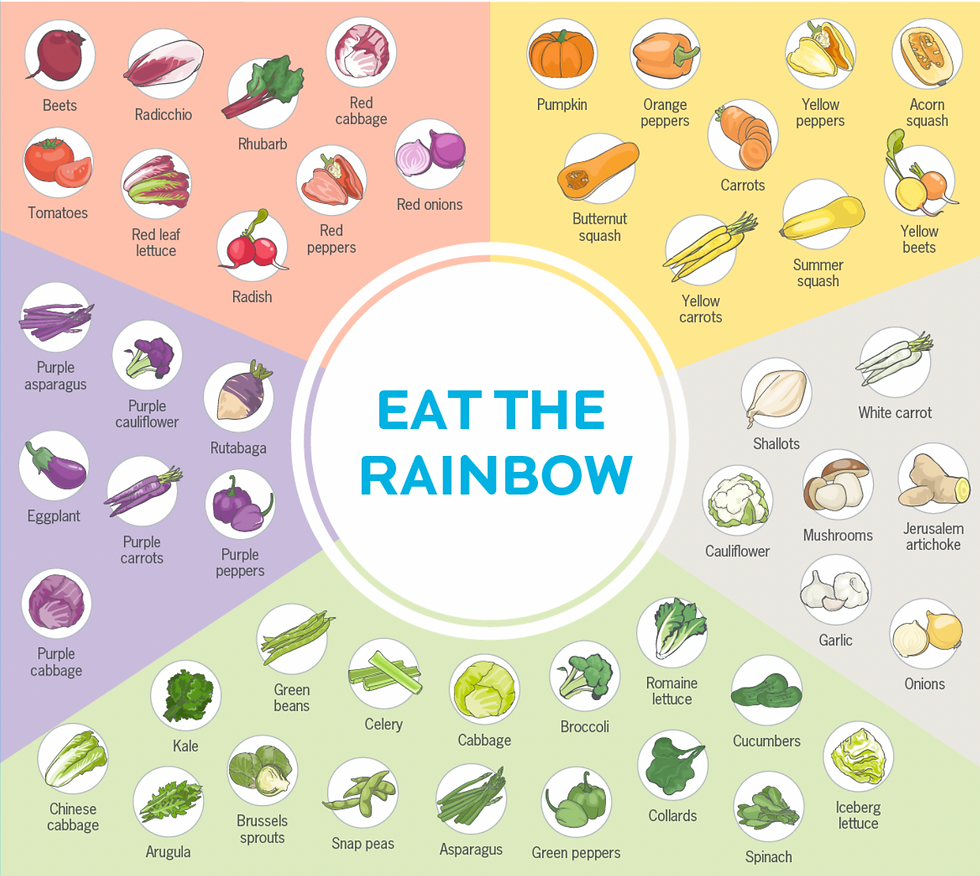
Mum always said to eat your greens but she was so right! Not only do vegetables feed your body with all the micronutrients, but they also are very high in volume. This means that individually, vegetables are very low in calories so when eating them in large quantities, the calories overall also stay quite low. You could have a giant bowl of green, red, purple and white vegetables and still be saving calories. This is especially useful whilst in a dieting phase.
Tip #4 - Look for High Volume Foods

Again, similar to above but in more detail. As mentioned, veggies are high in volume due to their small caloric intakes. High volume foods are therefore ideal in dieting phases as they contain little calories when consumed in large amounts. For example, you could load your plate up with baby spinach, celery, cucumber etc and still only be consuming less than 50 calories. Although the caloric value is very low, the eyes still see a larger serving which the brain then indicates to the body “large meal incoming, prepare to be full!”. In turn, the body is prepared for that “false” sensation of a large feed although it isn’t large at all.
Foods high in volume include:
- Green veggies such as spinach, celery, zucchini, cucumber, lettuce
- Pumpkin, carrots and potato
- Fruits such as berries, melons and apples
- Diet products such as diet jelly, sugar-free condiments etc (although normally low in nutrition, these products can be great to feed that “sweet tooth” craving while dieting)
Tip #5 - Steer Clear of Sauces and Oils
Just to preface, olive oil and cheeses are GREAT fat sources. We require fats to keep our body and hormones functioning. However, if in a dieting phase, if you’re consuming more than required, sauces and oils can add up your daily intake veryyyyy quickly. That little bowl of aioli sauce could clock you up an extra 200 calories just in that one small serving. Most restaurants will cook and serve with multiple oils and sauces to make their meals highly palatable. Let’s face it, sauce can always make our burgers taste better. Even during the cooking process, chefs will use copious amounts of oil in one single meal. Again, they want their food to taste and look amazing.
If you are eating out and trying to keep fats lower, look for:
- Grilled options: grilled meat will contain less oil in comparison to something that is pan-fried, oven baked, deep fried etc
- Vegetable base sauces: tomato and veg sauces will contain less fat as they have a veg base
- Ask for sauce on the side: that way, you can control portion servings
- Avoid “cream” or “cheese” sauces: again, cream and cheese are higher in fats so they’re going to consume a lot of your daily intake in one small serving. Normally too, restaurants will pile creams and cheese sauces to bulk up their meals and to make them taste better.
Side note...
Although these tips are very in-depth, please enjoy your social outings whilst eating out. These occasions should be enjoyable and cherished. These tips are here to support your health and fitness journey bit should not compromise time with family and friends :)
Below is a little cheat sheet to help you make “nutritionally wiser” choices while eating out. This will indicate how we can turn our nutrition lenses on while enjoying social occasions around food.


Comments